Source Pearl Korean Designer Hairpin for Wedding, Party, and Daily Wear
Explore 30 options for the pearl korean designer hairpin, featuring crystal, acetate, and alloy materials. Compare styles like bowknot and floral designs suitable for girls and weddings. Source from Zhejiang manufacturers with customization and sample services available; compare the available evidence and request quotations based on your requirements.
Key considerations
Products List


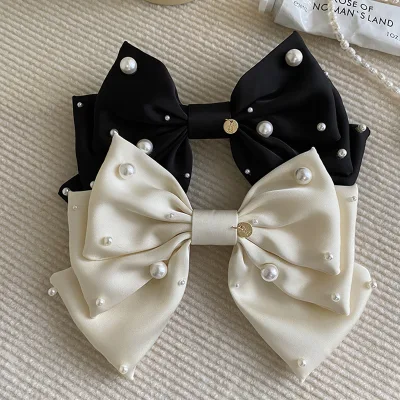
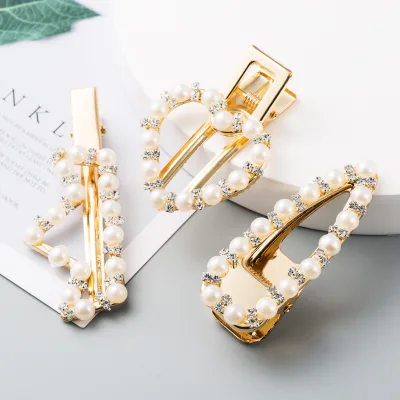
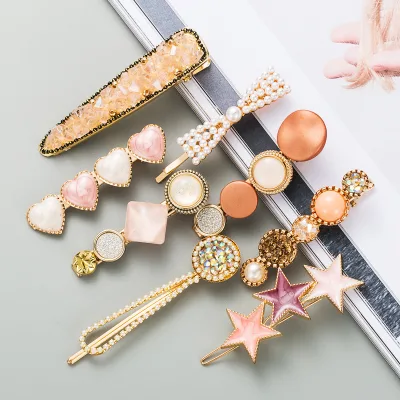
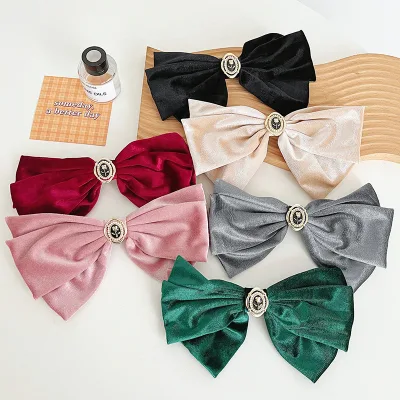
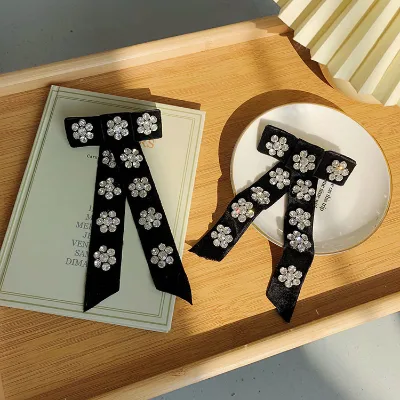
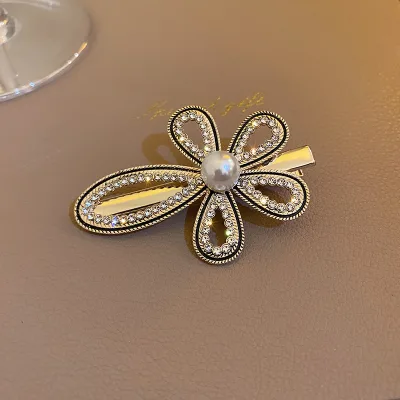
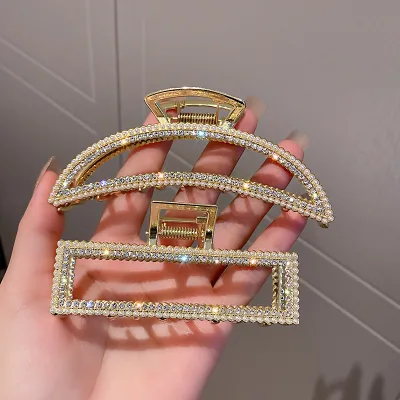


Comprehensive Sourcing Guide
Pearl Korean Designer Hairpin Sourcing Guide
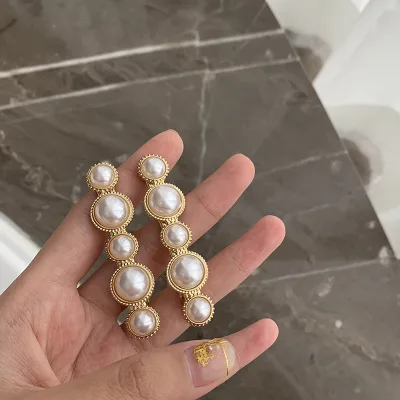
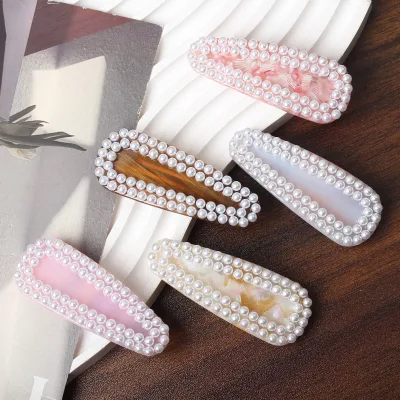
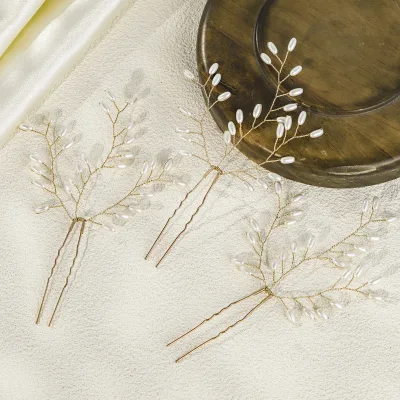
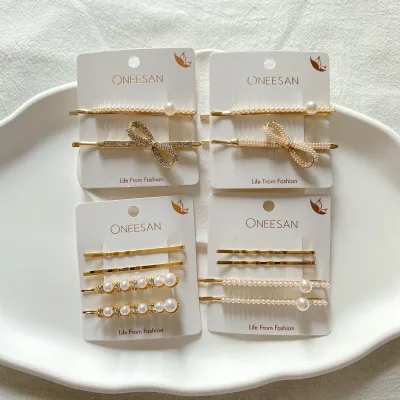
Sourcing pearl Korean designer hairpins requires navigating a market defined by specific aesthetic trends and material diversity. The observed product landscape includes items constructed from crystal and pearl combinations, as well as acetate and alloy variants, indicating that "designer" status often correlates with the specific arrangement of elements rather than a single material composition. Buyers must recognize that the term "Korean designer" frequently signals a focus on fashion-forward styles suitable for parties and weddings, where the visual impact of the bowknot shapes and floral colors is paramount.
Procurement decisions should prioritize verifying the exact model numbers and size specifications to ensure alignment with target demographics. The available data highlights distinct models like J0240 and FJ-2526, which vary significantly in dimensions from 6.1cm to 6.6cm and differ in weight and packaging. A buyer must carefully match these technical attributes to their specific customer base, as the suitability for girls or general decoration depends heavily on these precise physical characteristics rather than generic descriptions.
Product Scope and Observed Listing Signals
The product scope for this category encompasses a wide range of hair accessories, including hair clips, hairpins, and decorative elements designed for various occasions. Listings indicate that these items are marketed for both home use and specific events like weddings, suggesting a dual utility that buyers must clarify with suppliers. The presence of customized options and sample making services implies that the market supports both standard inventory purchases and bespoke design requests, allowing for flexibility in product development strategies.
Observed listing signals reveal a diverse color palette ranging from blue-pink and floral pink to brown coffee and gold, catering to varied fashion preferences. The materials listed, such as acetate, alloy, crystal, and pearl, demonstrate that the category is not limited to a single aesthetic but rather offers a spectrum of textures and finishes. Buyers should note that while some items are sold as single units, others may require specific packaging like plastic boxes or trays, which impacts the final retail presentation and unboxing experience.
Technical Specifications to Verify
Buyers must rigorously verify the physical dimensions and weight of each model to ensure consistency across large orders. The observed data shows single package sizes ranging from 7x2.5x2.2 cm to 10x10x3 cm, with gross weights varying from 0.009 kg to 0.030 kg. These discrepancies are critical for logistics planning and shipping cost calculations, as a mismatch between the declared specifications and the actual product can lead to unexpected freight charges or storage issues in the destination market.
Material composition and element details require close scrutiny to confirm the quality and durability of the hairpins. While some products are explicitly described as containing pearls and crystals, others are made from acetate or alloy, which affects their longevity and resistance to wear. The specific model numbers, such as Q852, Q856, and FJ8925, serve as unique identifiers for these material variations, and buyers should request physical samples to validate that the claimed elements, such as bowknot shapes or floral patterns, match the actual product received.
Compliance and Safety Documentation
Safety compliance for hair accessories often hinges on the materials used, particularly regarding heavy metals in alloys and the durability of pearl attachments. Although specific certification standards are not universally listed in the provided data, buyers should verify that the alloy components meet international safety thresholds for jewelry and hair accessories to prevent skin irritation or breakage. The absence of explicit standard declarations in the listings necessitates a proactive request for test reports or material safety data sheets from the supplier before finalizing any bulk purchase.
Documentation regarding the origin and manufacturing process is essential for verifying the authenticity of the "Korean designer" aesthetic claims. The observed products originate from Zhejiang, China, which is a major manufacturing hub, but buyers must ensure that the design intellectual property and branding, such as the BAOYU or Love Tong names, are legally protected and authorized for sale in their target markets. Requesting proof of origin and brand authorization helps mitigate the risk of counterfeit goods and ensures that the supplier has the legal right to produce and export these specific designs.
Cost Drivers and Commercial Terms
Cost drivers in this category are heavily influenced by the complexity of the design and the specific materials selected, such as genuine pearls versus crystal imitations. The observed price range of 0.23 to 2.99 USD suggests a wide variance based on these factors, with more intricate designs or higher-quality materials commanding a premium. Buyers must analyze the cost per unit against the minimum order quantity, which ranges from 2 to 500 units, to determine the most economical purchasing strategy for their specific volume requirements.
Commercial terms and payment methods play a crucial role in managing financial risk and ensuring smooth transaction execution. The available payment options include Trade Assurance, PayPal, T/T, and Western Union, each offering different levels of protection for the buyer. Trade Assurance is particularly valuable as it provides a layer of security for the transaction, while the availability of sample making services allows buyers to validate product quality before committing to larger financial obligations, thereby reducing the risk of investing in unsuitable inventory.
Supplier Qualification and Quality Control
Supplier qualification should focus on their ability to provide sample making and mold making services, which indicates a capacity for customization and quality control. The observed listings confirm that suppliers offer these services, allowing buyers to test the production capabilities and verify that the final product matches the design specifications before mass production begins. This capability is a strong indicator of a supplier's flexibility and their willingness to collaborate on product development, which is essential for maintaining a competitive edge in the fashion accessory market.
Quality control protocols must be established to ensure that the finished hairpins meet the expected standards for finish and assembly. Buyers should implement a rigorous inspection process that checks for loose elements, consistent coloring, and accurate dimensions, as these are common points of failure in mass-produced accessories. The variation in single gross weights and package sizes observed in the data suggests that quality control is not uniform across all models, making it imperative to define clear acceptance criteria and conduct pre-shipment inspections to prevent defects from reaching the end consumer.
Long-Term Procurement Checks
Long-term procurement success depends on maintaining a consistent supply chain that can adapt to changing fashion trends and seasonal demands. The observed data indicates that these products are suitable for the whole year, yet specific occasions like weddings and parties may drive seasonal spikes in demand. Buyers should establish a relationship with suppliers who can scale production up or down based on these fluctuations, ensuring that inventory levels remain optimal without overstocking or stockouts during peak periods.
Continuous verification of product attributes and supplier performance is necessary to sustain a high-quality brand reputation. As the market evolves, buyers must regularly re-evaluate the materials, designs, and specifications of their hairpin inventory to ensure they remain relevant and competitive. This involves monitoring the supplier's ability to maintain the "Fashion" and "Korean designer" aesthetic while adhering to the technical specifications and safety standards required by the target market, ensuring that the product line remains robust and appealing over time.
FAQs
What materials are used in these hairpins?
The hairpins are crafted from crystal, pearl, and acetate materials. Some designs also incorporate alloy components for structural integrity. These materials provide a durable yet lightweight feel, suitable for daily wear or special occasions like weddings and parties. The combination ensures a premium aesthetic while maintaining comfort for the wearer.
Can I request custom designs for these hair accessories?
Yes, custom designs are accepted for these hair accessories. The supplier offers sample making services to accommodate specific requirements. Buyers can request modifications to colors, shapes, or packaging to align with their brand identity. This flexibility supports unique styling needs and allows for tailored product development before bulk production begins.
What is the typical weight of a single hairpin?
A single hairpin typically weighs approximately 12 grams. Some lighter variants may weigh around 9 grams, depending on the material composition. The gross weight per package is listed at 0.030 kg, ensuring easy handling and shipping. This lightweight design ensures comfort during extended wear without causing strain on the hair.
Which occasions are these hairpins suitable for?
These hairpins are suitable for various occasions, including weddings, parties, and daily use. The fashion-forward styles and pearl elements make them ideal for formal events. They are also appropriate for whole-year wear, offering versatility for different seasons. The designs cater to girls and women seeking elegant accessories for special moments.
How are the hairpins packaged for shipping?
The hairpins are packaged in OPP bags and cartons for bulk shipping. Individual items may also be packed in plastic boxes, trays, or plastic bags based on customer requirements. This flexible packaging approach protects the delicate crystal and pearl elements during transit. Custom packaging options are available to meet specific branding or retail needs.
What payment terms are accepted for orders?
Accepted payment terms include Trade Assurance, PayPal, T/T, and Western Union. These options provide secure and flexible transaction methods for buyers. Trade Assurance offers additional protection for international orders. Buyers can choose the most convenient method based on their location and banking preferences, ensuring a smooth purchasing process.